
A calm space to be heard.
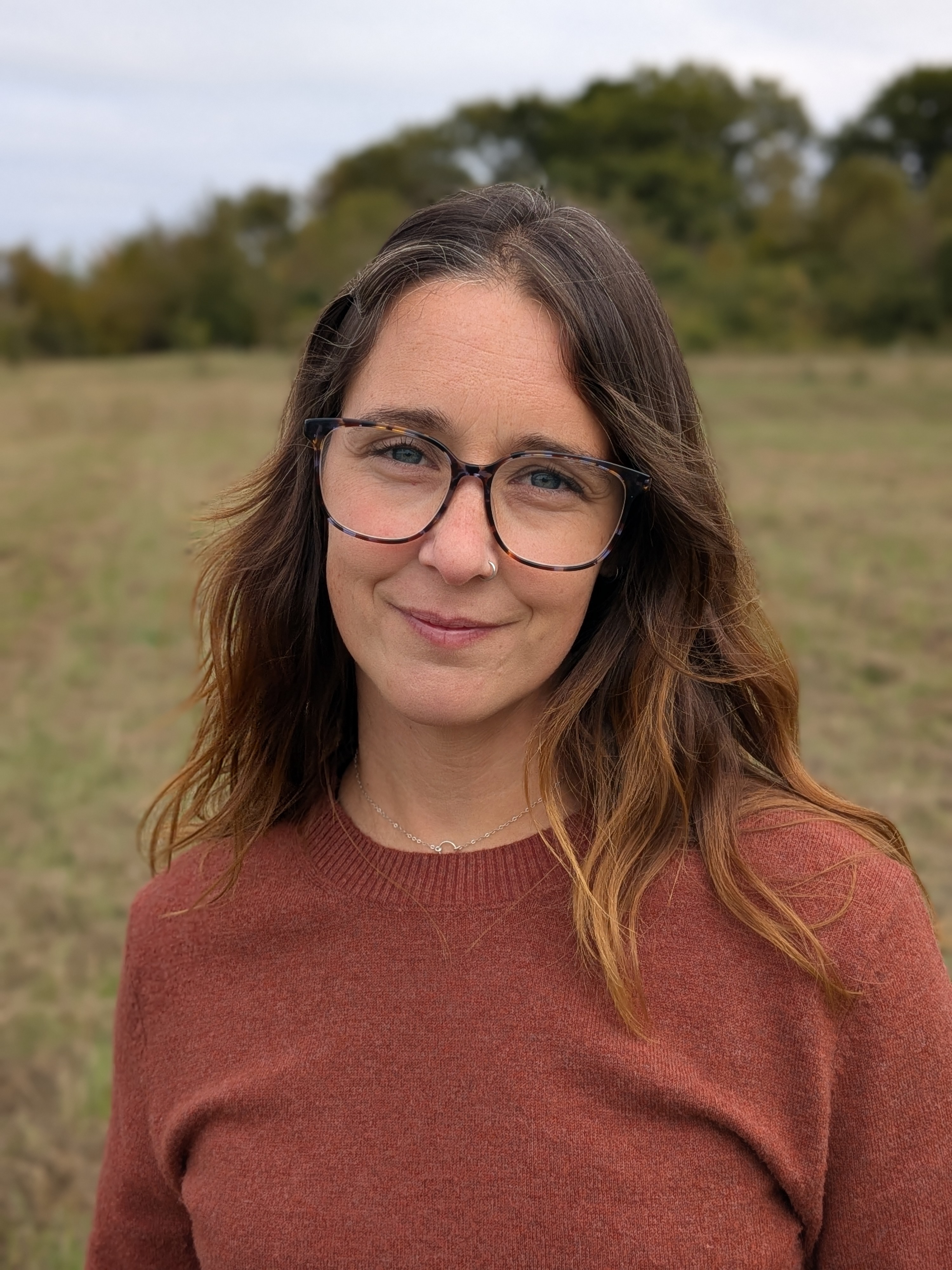
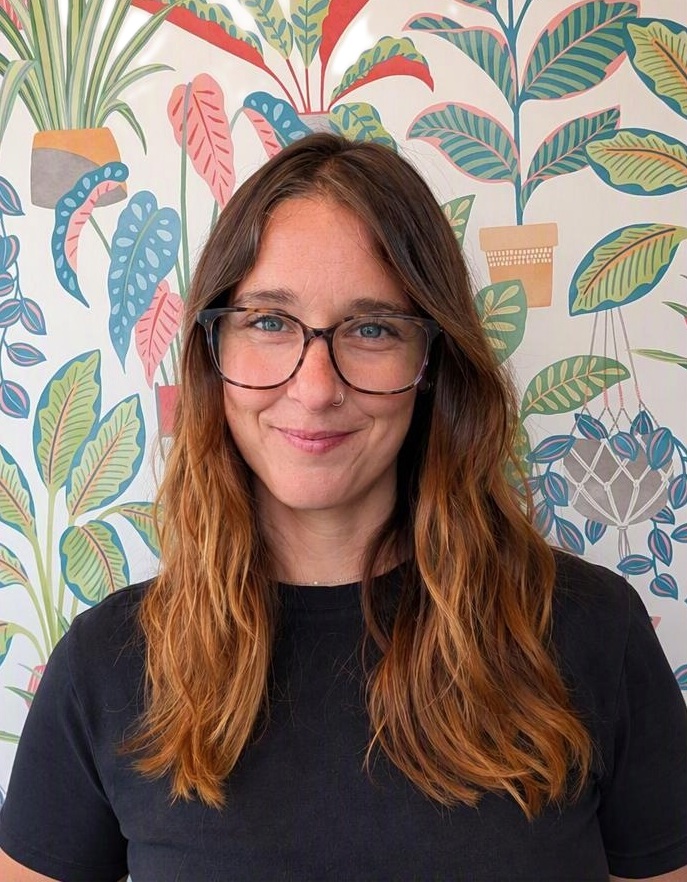
Hi, I'm Charlie, and welcome to Talk with Charlie.
I offer counselling for anyone finding life a lot right now - whatever that might look like. My approach is gentle, person-led, and built around whatever feels right for you. I work with people of all ages and backgrounds, and I bring both professional training and genuine care to every session.
Have a look around, and feel free to get in touch if you have any questions.
Where would you like to start?
Counselling for adults
Anxiety, overwhelm, trauma, relationships, life changes, neurodivergence.
For adults →Counselling for teenagers
A calm, non-judgemental space for teenagers, as well as guidance for parents and carers.
For teens →Walk & Talk
Therapy outdoors, side by side, at a gentle pace. Less pressure, less eye contact.
About walk and talk →Rewind therapy for Trauma
A gentle technique for trauma, OCD, and phobias, without having to go through the details.
About rewind →Getting started is simple
Here's exactly what happens, so there are no surprises.
Get in touch
Send me a message or email, letting me know a little about why you are reaching out.
Free 15-minute call
By phone or video, we will explore whether working together feels right, and what you're hoping for.
Your first session
However you have decided to meet, we will work together at your pace and comfort level.
About me
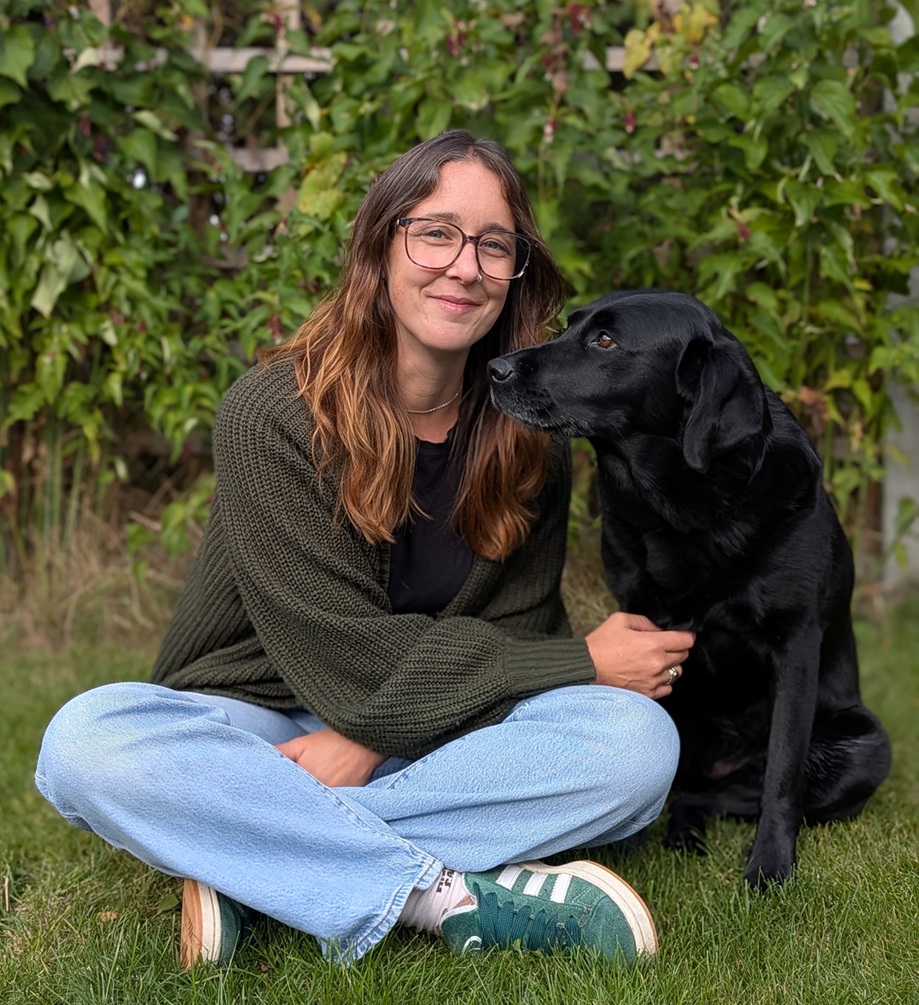
Hi, I'm Charlie. I'm a BACP-registered integrative counsellor, with additional training in Neurodivergence, Walk and Talk therapy, and the Rewind Technique for trauma.
My approach
My approach is integrative, which means I don't follow one fixed model. Instead, I draw on a range of therapeutic approaches, such as person-centred, psychodynamic, attachment, and Internal Family Systems thinking, and shape how we work together around you. This means that what you bring to our sessions, and what you're hoping to get from them, is always led by you and our relationship rather than a fixed technique.
Whatever brings you here, I offer a space where you can be yourself, and be met without judgement.
How I can help
I work with a wide range of people and difficulties, including:
- Anxiety and overwhelm
- Trauma and difficult life experiences
- Neurodivergence (ADHD, Autism), your own or a loved one's
- Life transitions and identity
- Relationship and family difficulties
- Low mood and self-esteem
Who I work with
Adults
Counselling via telephone or video call, or Walk & Talk in West Sussex.
Counselling for adults →Teenagers
A calm space for teenagers, as well as guidance for parents and carers.
Counselling for teens →You can also read about Walk & Talk therapy and Rewind therapy for Trauma.
Location
I offer telephone or video counselling via Microsoft Teams for clients across the UK, as well as in-person sessions in a counselling space in Portslade, and Walk & Talk Therapy in and around Mid Sussex.
Qualifications
- Diploma in Therapeutic Counselling (BACP Approved Qualification - CPTA)
- BA(Hons) In Philosophy (The University of Sussex)
- GTP in Secondary Education (The University of Reading)
- Understanding Children and Young People's Mental Health
- Understanding Autism
- Walk and Talk Therapy Trained
- Rewind Technique (IARTT)
- I also engage in ongoing CPD to ensure further learning and understanding in a range of therapeutic areas.
Counselling for adults
People come to counselling for all kinds of reasons. Perhaps something specific has happened, perhaps you're finding certain thoughts, feelings, or experiences hard to manage, or perhaps you feel stuck, anxious, overwhelmed, or not quite yourself. Whatever's brought you here, counselling offers a space to slow down and make sense of things, and to find ways of moving forward that feel right for you.

What people bring
There's no problem too big or too small to bring to counselling. People often come to me with:
- Anxiety and overwhelm
- Trauma and difficult life experiences
- Neurodivergence (ADHD, Autism)
- Life transitions and identity
- Relationship and family difficulties
- Low mood and self-esteem
You don't need to know exactly what's wrong, or have the right words for it. Working that out together is part of the process.
What sessions are like
Sessions are led by you. We go at your pace, and you decide what to talk about. I offer short-term and long-term counselling, and we will review how the sessions are working for you as we go along.
As an integrative counsellor, I don’t rely on a single method. I draw on a range of therapeutic approaches in order to understand people, and adapt them to you. Here’s a brief overview of what that can include:
Rather than fitting you into one fixed model, I shape our work around what you bring, moving between these approaches as needed.
Neurodivergent adults
Many adults come to understand that they're neurodivergent later in life, and that can bring relief, grief, questions, or all three at once. Whether you have a diagnosis, are wondering about one, or are supporting someone you love, I bring both professional training and personal understanding.
Therapy is shaped around how you work and what your needs are. Let me know what helps you, and we'll go from there.
Ways we can work
Remotely
Video call or Telephone from wherever you feel safe and comfortable.
Walk & Talk
In-person sessions outdoors in West Sussex.
More →Not sure whether counselling is for you?
That's a very normal place to start. The free 15-minute call is a chance to ask questions and see how it feels, with no obligation to book.
Working with Teenagers
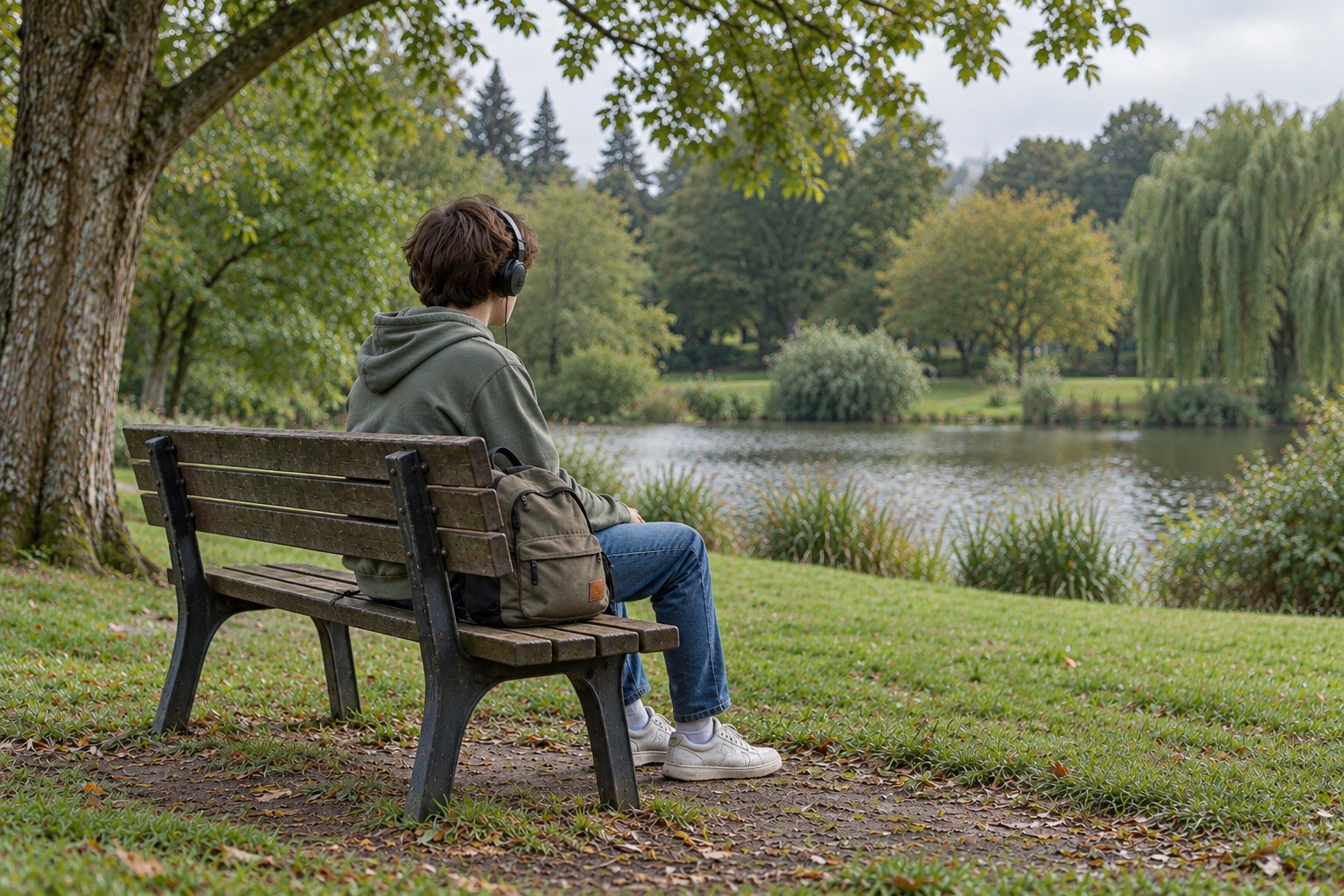
The teenage years can bring a lot of change at once - in how you think, how you feel, and how you relate to the people around you. Whatever’s behind it - anxiety, friendships, family tension, or worry about what’s ahead - counselling offers a space to slow down and get some clarity.
I won’t tell you what to do, or judge what you bring. I will listen and help you work out what’s going on, so you can understand yourself better and feel more confident making your own choices.
Supporting Teenagers
Before training as a counsellor, I spent several years teaching in secondary and sixth-form education, so I understand the pressures that come with education, exams, and growing up in that environment from the inside. I also have experience as a Home Educator and am a parent of secondary school-aged children, giving me a deeper understanding of the pressures and challenges facing young people today.
I have a particular interest and experience in neurodivergence (ADHD and Autism), having worked closely with neurodivergent young people both in education and in therapy, navigating my own neurodivergence as well as supporting neurodivergent family members.
What sessions look like
You don't need to know exactly what to say when you come to counselling. We can start wherever feels right for you. Maybe something specific is bothering you, or maybe you feel stressed, overwhelmed, angry, anxious, or stuck. I believe the most important part of therapy is feeling accepted for who you are. My aim is to create a space where you can be yourself, feel heard, and know that you're not facing things alone.
A note for parents and carers
Deciding to look into counselling for your child can feel like a big step, and it’s natural to have questions. Many young people see a counsellor at some point, and having an adult outside the family to talk to can be very reassuring. I’m happy to talk things through with you before your child’s first session, and we’ll always go at a pace that feels right for your family.
As an integrative counsellor, I don’t rely on a single method. I draw on a range of therapeutic approaches and adapt them to what your child needs. Here’s a brief overview of what that can include:
Rather than fitting your child into one fixed model, I shape our work around what they bring, moving between these approaches as needed.
Walk & Talk therapy
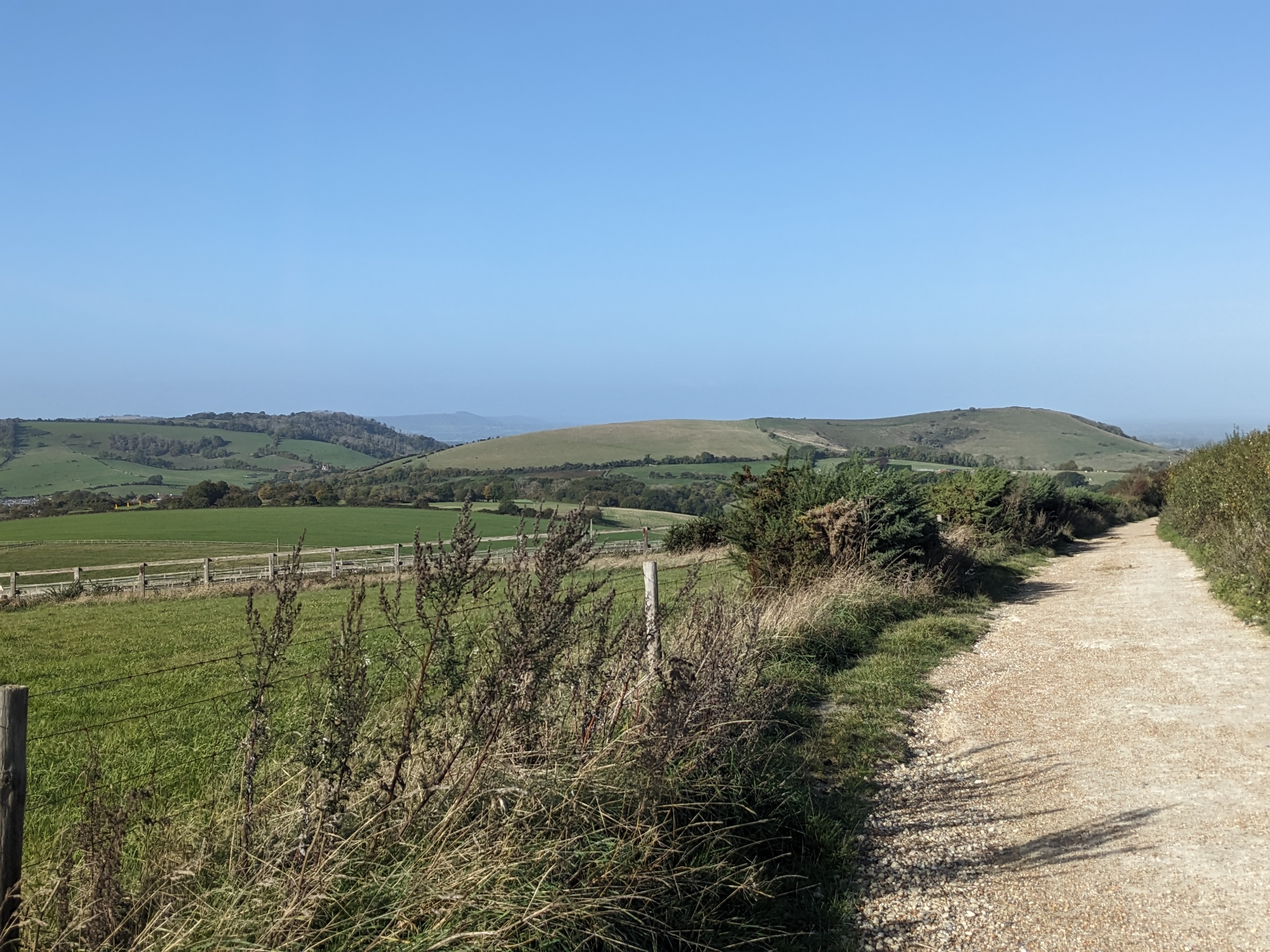
Sitting face-to-face in a room isn't for everyone. Walk and Talk offers an alternative - we can walk outdoors together while we talk, at a gentle pace that suits you.
Why walk?
We often feel better simply for being outdoors. There's good reason for that - research suggests that time spent in green or blue spaces, like woodland or the coast, can lower stress and help steady our nervous system.
Being outside tends to bring us back into our senses and our bodies, rather than staying stuck in our heads — and that can make it easier to notice what we're actually feeling, not just what we're thinking.
Walking, or even sitting alongside each other, outdoors also changes the shape of a conversation. Without sitting face-to-face, there's often less pressure, and many people find it a more natural, easier way to open up.
How it works
Where we walk is chosen together, based on what suits you in and around the Mid Sussex area. That could be coastal paths, the South Downs, woodland, or a quieter urban route. We'll agree a location that feels comfortable, private enough for the conversation, and manageable for the terrain.
As with all sessions, what's discussed remains confidential, within the same limits set out in your therapy contract.
What about the weather?
With British weather being what it is, if conditions are unsafe or unpleasant for walking, we'll either move the session to a telephone or video call, or reschedule, whichever suits you best. This will always be agreed together in advance where possible.
Rewind therapy for Trauma
A gentle, structured approach to reduce the distress connected to difficult or traumatic memories, phobias, and OCD symptoms.

What trauma can look like
A difficult or traumatic experience doesn't always stay in the past. For some people, it keeps resurfacing - through flashbacks, intrusive thoughts or images, nightmares, or a sudden wave of distress when something reminds you of what happened. It can also show up physically, as a racing heart, nausea, trembling, or a feeling of panic that seems to come from nowhere.
If this sounds familiar, you're not alone. It's how the brain sometimes responds when it hasn't fully processed something overwhelming.
What Rewind Therapy is
Rewind is a gentle, structured approach that can help reduce this kind of distress, along with phobias. It's often called "Closure without Disclosure" - because it doesn't require you to talk through the details of what happened.
What makes it different
Unlike some trauma-focused approaches, Rewind doesn't require you to talk through the details of what happened. Instead, it works with the way the brain processes and stores traumatic memory, helping to reduce its emotional intensity so it no longer feels as overwhelming or intrusive.
What it can help with
- Phobias
- Traumatic memories and flashbacks
- Anxiety linked to a specific event or experience
- OCD
Whether Rewind is the right approach for you is something we'd discuss together, based on what you're bringing and what feels right for your situation.
What a course looks like
Rewind can be booked as a standalone piece of work, or incorporated into longer-term therapy if that's a better fit. A typical standalone course:
- Initial assessmentWe talk about what you're bringing and whether Rewind fits.
- The Rewind sessionAn extended session, so the process is understood and completed fully.
- Further Rewind sessionsIf decided it is needed
- Follow-up, two weeks laterA shorter session to check how things have settled.
You remain in control throughout, and we go at a pace that feels manageable for you.
Further informtation about the Rewind Technique can be found here: About Rewind Therapy for Trauma and How Rewind Therapy can help people with PTSD
Fees & frequently asked questions

Fees
Frequently asked questions
Tap a question to see the answer.
Do you offer a free introductory call?
Yes. A free 15-minute call, either by phone or video, gives us a chance to talk through what's bringing you to therapy, answer any questions, and make sure we'd be happy and comfortable working together.
How do I know if you're the right counsellor for me?
It's important that you feel safe and comfortable throughout our work together. The introductory call should give you a good sense of this and we will review our work together as we go to make sure it still serves you.
What happens in the first session?
The first session is a chance for us to get to know each other properly. We'll talk through what's brought you to therapy and what you're hoping for, and I'll explain how I work so you know what to expect.
How many sessions will I need?
This varies a lot from person to person, and depends on what you're bringing and how you'd like to work. Some people find a handful of sessions enough; others prefer longer-term, open-ended work. We'll keep this under review together as we go.
How often will I have counselling?
Sessions are usually weekly and last 50 minutes. Having a regular slot gives us stability and continuity in our work together, however I understand that schedules don't always allow for this. We can discuss this further in your introductory call.
Can I end counselling whenever I want?
Yes, you can stop whenever you want to. Where possible, I would encourage you to allow time for a final session to allow us to reflect on our work together.
Is remote (telephone or video) therapy as effective as in-person?
Research shows that remote therapy can be just as effective as in-person sessions for many people, and it offers extra flexibility and comfort, particularly if travel, anxiety, or scheduling make in-person sessions harder. If you're unsure which format suits you, we can discuss this on your introductory call.
What's your cancellation policy?
• 48 hours' notice or more: no charge, and we will look to reschedule where possible.
• Less than 48 hours' notice: the session will be charged at 50% of the usual fee.
• Less than 24 hours' notice, or a missed session with no notice: the full fee will be charged.
Do you keep notes about my sessions?
Yes. I keep simple and anonymised notes which are stored securely and confidentially in accordance with GDPR and ICO policies.
Get in touch
Whether you have a question or you're ready to book a free 15-minute intro call, I'd love to hear from you.
Thank you
Your message has been sent. I'll reply by email within 3 working days to arrange a time to talk (please remember to check your junk / spam folder).
What happens next
- I'll reply by email (remember to check your junk / spam folder)
- We'll arrange a free 15-minute call
- No obligation to book anything
hello@talkwithcharlie.co.uk
Ready when you are
Book a free, no-obligation 15-minute call.